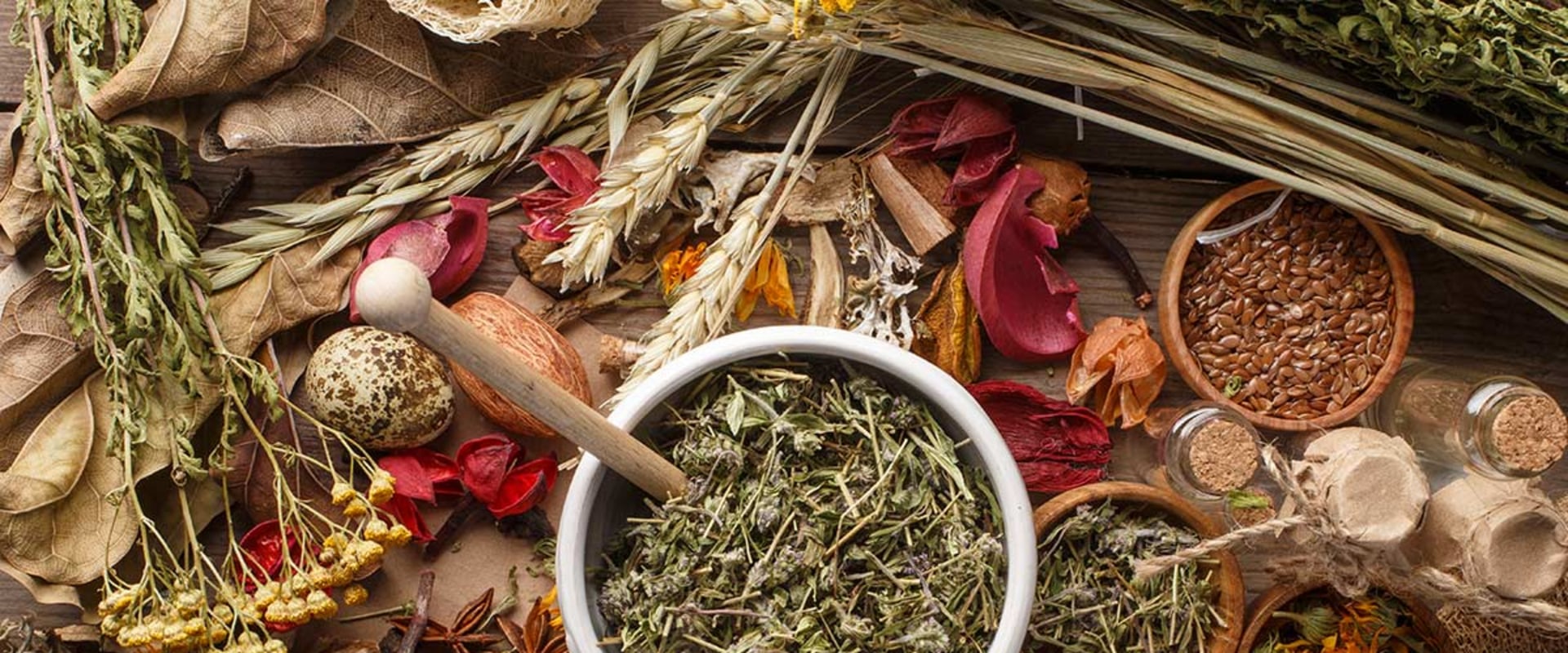

Throughout history, medicinal herbs have played a pivotal role in the health and wellness of various cultures around the globe. From ancient civilizations that relied on the healing properties of plants to modern-day practitioners who incorporate these natural remedies into their treatments, the significance of healing plants cannot be overstated. These herbs have been used not only for their therapeutic benefits but also as a means of connecting with nature and understanding the human body’s intricate relationship with the environment, which is often a part of Exploring Different Types of Spirituality. In today’s fast-paced world, where synthetic medications often dominate the healthcare landscape, there is a growing interest in cannot be overstated. These herbs have been used not only for their therapeutic benefits but also as a means of connecting with nature and understanding the human body’s intricate relationship with the environment, which is often a part of Exploring Different Types of Spirituality. In today’s fast-paced world, where synthetic medications often dominate the healthcare landscape, there is a growing interest in herbal medicine and its potential benefits. Many individuals are seeking alternatives to conventional treatments, turning to nature for solutions to their health concerns.
This shift is not merely a trend; it reflects a deeper understanding of the importance of holistic health and the body’s innate ability to heal itself when supported by natural substances. The resurgence of interest in natural remedies has led to a wealth of research exploring the efficacy of various medicinal herbs. Studies have shown that many of these plants possess powerful properties that can aid in treating a wide range of ailments, from minor inconveniences like headaches and digestive issues to more serious conditions such as chronic pain and inflammation. By harnessing the power of these plants, individuals can take an active role in their health journey, often with fewer side effects than those associated with pharmaceutical drugs. As we delve deeper into this guide, we will explore some of the most common medicinal herbs, their uses, and how they can be integrated into daily life. Understanding these healing plants not only empowers individuals to make informed choices about their health but also fosters a greater appreciation for the natural world and its resources.
Join us as we uncover the remarkable benefits of herbal medicine and how it can enhance your well-being.
What Are Medicinal Herbs?
Medicinal herbs are plants that have been utilized for their therapeutic properties for centuries. These herbs contain bioactive compounds that can promote health and well-being, making them a cornerstone of both traditional and modern medicine. The definition of medicinal herbs encompasses a wide range of plant species, each with unique healing properties and applications. Medicinal herbs can be classified into several categories based on their uses, parts utilized, and the systems of medicine they belong to. Here are some common classifications:- Herbs for Digestive Health: Plants like peppermint, ginger, and fennel are known for their ability to soothe digestive issues, reduce nausea, and promote healthy digestion.
- Herbs for Immune Support: Echinacea, elderberry, and garlic are often used to enhance the immune system's response to infections and illnesses.
- Herbs for Stress Relief: Adaptogenic herbs such as ashwagandha, rhodiola, and holy basil help the body adapt to stress and promote mental clarity.
- Herbs for Pain Management: Plants like willow bark, which contains salicin (a precursor to aspirin), and turmeric, known for its anti-inflammatory properties, are commonly used to alleviate pain.
- Culinary Herbs with Medicinal Benefits: Many culinary herbs, such as basil, oregano, and thyme, not only enhance flavor but also offer health benefits due to their antioxidant properties.
Traditional systems of medicine, such as Ayurveda in India and Traditional Chinese Medicine (TCM), have long recognized the healing potential of these plants. In contemporary medicine, there is a growing interest in herbal remedies as complementary therapies alongside conventional treatments. The resurgence of interest in natural remedies has led to increased research into the efficacy and safety of medicinal herbs. While many herbs have demonstrated promising results in clinical studies, it is essential to approach their use with caution. Consulting healthcare professionals before incorporating herbal remedies into your health regimen is advisable, especially if you are taking other medications or have underlying health conditions. In summary, medicinal herbs represent a diverse group of plants that offer a wealth of healing properties.
Their classification spans various categories based on their applications in health care, making them invaluable resources in both traditional and modern medicinal practices.
The Science Behind Herbal Medicine
Herbal medicine is rooted in the understanding of how various plants can influence human health through their active compounds. These compounds, often referred to as phytochemicals, interact with the body in complex ways, leading to therapeutic effects. The efficacy of medicinal plants is increasingly supported by scientific research, which seeks to elucidate the mechanisms behind their healing properties. One of the primary ways that herbal medicine works is through the modulation of biological pathways. For instance, many herbs contain antioxidants that combat oxidative stress, a condition linked to numerous chronic diseases.A study published in the Journal of Ethnopharmacology highlighted that flavonoids found in herbs like green tea and ginkgo biloba can scavenge free radicals, thereby reducing cellular damage. Moreover, certain herbs have been shown to possess anti-inflammatory properties. Turmeric, for example, contains curcumin, a compound that inhibits inflammatory markers in the body. Research in the American Journal of Clinical Nutrition demonstrated that curcumin supplementation significantly reduced levels of C-reactive protein (CRP), a key indicator of inflammation. Another fascinating aspect of herbal medicine is its impact on neurotransmitter systems. Herbs such as ashwagandha and chamomile have been studied for their effects on anxiety and stress reduction.
A clinical trial published in The Journal of Clinical Psychiatry found that ashwagandha extract significantly reduced stress levels in participants compared to a placebo group. The efficacy of these medicinal plants is not merely anecdotal; numerous studies validate their use. For example, a meta-analysis in PLOS One reviewed multiple studies on echinacea and concluded that it could reduce the duration and severity of colds when taken at the onset of symptoms. Despite the promising evidence supporting herbal medicine, it is essential to approach it with caution. The concentration of active compounds can vary widely among different preparations and species. Therefore, standardization and quality control are crucial for ensuring safety and efficacy. In conclusion, the science behind herbal medicine reveals a rich tapestry of interactions between plant compounds and human physiology.
As research continues to unfold, we gain deeper insights into how these natural remedies can complement conventional treatments and enhance overall health.
Top 10 Common Medicinal Herbs and Their Benefits
Herbal remedies have been a cornerstone of traditional medicine for centuries, offering a natural approach to health and wellness. Below, we delve into ten of the most common medicinal herbs, exploring their benefits, uses, preparation methods, and potential side effects.- Chamomile - Renowned for its calming effects, chamomile is often consumed as a tea to alleviate anxiety and promote better sleep. It can also be applied topically to soothe skin irritations. While generally safe, excessive consumption may lead to nausea or allergic reactions in sensitive individuals.
-
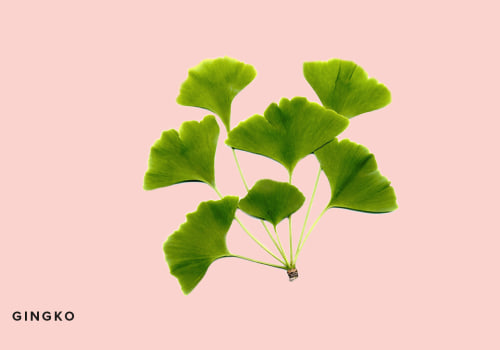
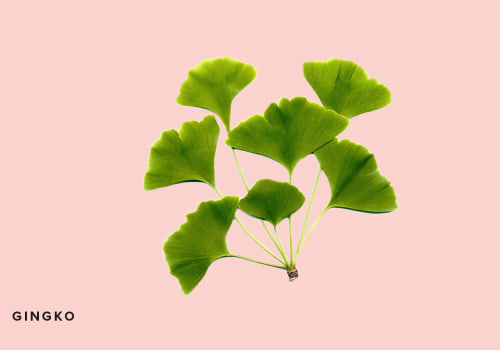
Gingko Biloba - This ancient herb is celebrated for its potential cognitive benefits, particularly in enhancing memory and concentration.
Ginkgo can be taken in capsule form or brewed as tea. However, it may interact with blood thinners and should be used cautiously.
- Turmeric - Known for its vibrant yellow color, turmeric contains curcumin, which has powerful anti-inflammatory properties. It can be added to food or taken as a supplement. Some people may experience digestive upset when consuming high doses.
-
Evening Primrose Oil - Extracted from the seeds of the evening primrose plant, this oil is often used to alleviate symptoms of PMS and skin conditions like eczema.
It’s available in capsule form but may cause gastrointestinal discomfort in some users.
- Flaxseed - Rich in omega-3 fatty acids and fiber, flaxseed is praised for its heart health benefits and potential cancer-fighting properties. It can be added to smoothies or baked goods. However, it’s important to consume it ground for optimal nutrient absorption.
- Tea Tree Oil - This essential oil is well-known for its antimicrobial properties, making it effective against acne and other skin infections. It should always be diluted with a carrier oil before topical application to prevent skin irritation.
-
Echinacea - Often used to boost the immune system, echinacea is commonly taken at the onset of colds or flu.
Available in teas and extracts, it may cause allergic reactions in some individuals, particularly those allergic to daisies.
- Ashwagandha - This adaptogenic herb is known for its ability to reduce stress and enhance energy levels. It can be consumed in powder form mixed with milk or as capsules. Some users may experience digestive issues or drowsiness.
- Lavender - Valued for its soothing aroma, lavender is often used in aromatherapy to promote relaxation and improve sleep quality. It can also be applied topically for minor burns or insect bites but should be used cautiously on sensitive skin.
-
Holy Basil (Tulsi) - Revered in Ayurvedic medicine, holy basil is believed to help manage stress and support overall health.
It can be consumed as tea or taken as a supplement. While generally safe, it may interact with certain medications.
How to Use Medicinal Herbs Safely
Using medicinal herbs can be a beneficial addition to your health regimen, but it is essential to approach their use with caution and knowledge. Here are some best practices to ensure safe usage:Understanding Dosage Guidelines
Determining the correct dosage of herbal remedies is crucial for achieving the desired effects while minimizing potential side effects.Here are some general guidelines:
- Start Low and Go Slow: If you are new to a particular herb, begin with a lower dose to assess your body's response. Gradually increase the dosage as needed.
- Follow Recommended Dosages: Always refer to the recommended dosages provided on product labels or consult with a healthcare professional. Different forms of herbs (e.g., teas, capsules, tinctures) may have varying concentrations.
- Consider Individual Factors: Factors such as age, weight, and overall health can influence how your body metabolizes herbs. Tailor your dosage accordingly.
Potential Interactions with Medications
Many medicinal plants can interact with prescription medications, leading to adverse effects or reduced efficacy of treatments.Here are some precautions to consider:
- Consult Your Doctor: Before starting any herbal supplement, especially if you are on medication, discuss it with your healthcare provider. They can help identify any potential interactions.
- Avoid Mixing Herbs: Combining multiple herbs can amplify effects or lead to unexpected reactions. Stick to one or two at a time unless advised otherwise by a professional.
- Monitor Your Health: Pay attention to any changes in your health after starting an herbal regimen. If you experience unusual symptoms, discontinue use and consult a healthcare professional.
When to Seek Professional Advice
Certain situations warrant immediate consultation with a healthcare provider:- If you are pregnant or breastfeeding, as some herbs may not be safe during these periods.
- If you have pre-existing health conditions such as liver disease, kidney issues, or autoimmune disorders.
- If you are scheduled for surgery, as some herbs can affect blood clotting and anesthesia.
Always prioritize your health and well-being by consulting professionals when in doubt.
Growing Your Own Medicinal Herbs
Growing your own medicinal herbs at home can be a rewarding and beneficial endeavor. Not only do these plants provide natural remedies, but they also enhance your garden's beauty and can be a source of fresh ingredients for culinary uses. Here are some essential tips to help you successfully cultivate healing plants in your own backyard.Soil Preparation
- Start with high-quality soil that is rich in organic matter. A well-draining mix is crucial for the health of your herbs.
- Consider testing your soil's pH level; most medicinal herbs thrive in slightly acidic to neutral soil (pH 6.0 to 7.0).
- Add compost or well-rotted manure to enrich the soil with nutrients, promoting healthy growth.
Sunlight Requirements
- Most medicinal herbs require at least 6 to 8 hours of direct sunlight each day.
Choose a location that receives ample sunlight.
- If you live in a particularly hot climate, consider providing some afternoon shade to prevent wilting.
- For indoor gardening, place pots near south-facing windows or use grow lights to ensure adequate light exposure.
Caring for Your Medicinal Herbs
- Watering: Water your herbs regularly, but avoid overwatering. The soil should be moist but not soggy. Allow the top inch of soil to dry out between waterings.
- Pruning: Regularly trim your herbs to encourage bushier growth and prevent them from becoming leggy. This also helps promote new leaf production.
-
Pest Management: Keep an eye out for pests such as aphids and spider mites.
Use organic pest control methods like neem oil or insecticidal soap if necessary.
Popular Medicinal Herbs to Grow
- Chamomile: Known for its calming effects, chamomile is easy to grow from seeds and thrives in well-drained soil.
- Mint: A vigorous grower, mint can spread quickly, so consider planting it in containers to control its growth.
- Lavender: This fragrant herb not only attracts pollinators but also has numerous medicinal properties, including stress relief.
- Echinacea: Often used to boost the immune system, echinacea is a hardy perennial that can thrive in various conditions.
Herbal Remedies for Common Ailments
Herbal remedies have been utilized for centuries to address a variety of common health issues. By harnessing the natural properties of plants, individuals can find effective solutions for ailments such as anxiety, inflammation, and digestive problems. Below are some well-researched herbal remedies that can help alleviate these conditions.Anxiety Relief
For those struggling with anxiety, chamomile is a popular choice.Known for its calming effects, chamomile tea can help reduce feelings of stress and promote relaxation. Studies indicate that regular consumption may lead to improved sleep quality and a decrease in anxiety symptoms. Another effective herb is ashwagandha , which has adaptogenic properties that help the body manage stress. This herb may take some time to show effects, but its long-term benefits include reduced anxiety levels and enhanced overall well-being.
Reducing Inflammation
Inflammation is a common underlying factor in many chronic diseases.Turmeric , with its active compound curcumin, is renowned for its anti-inflammatory properties. Incorporating turmeric into your diet—whether through cooking or as a supplement—can help mitigate inflammation and may even assist in managing conditions like arthritis. Additionally, evening primrose oil is known for its ability to reduce inflammation associated with skin conditions such as eczema and psoriasis.
Digestive Health
Herbs can also play a significant role in promoting digestive health. Ginger is widely recognized for its ability to alleviate nausea and improve digestion.Consuming ginger tea or adding fresh ginger to meals can provide relief from digestive discomfort. Another beneficial herb is peppermint , which can soothe digestive issues such as bloating and gas. Peppermint tea or oil capsules are effective ways to harness its benefits. Incorporating these herbal remedies into your daily routine can provide natural solutions for common health problems. However, it’s essential to consult with a healthcare professional before starting any new herbal regimen, especially if you are currently taking medications or have underlying health conditions.
Frequently Asked Questions About Medicinal Herbs
As interest in medicinal herbs continues to grow, many people have questions about their safety, efficacy, and usage.Below are some frequently asked questions that can help clarify common misconceptions and provide valuable insights into the world of herbal medicine.
What are medicinal herbs?
Medicinal herbs are plants that have been used for centuries to treat various health conditions. They contain active compounds that can promote healing, alleviate symptoms, and support overall wellness. These herbs can be consumed in various forms, including teas, capsules, tinctures, and extracts.Are all medicinal herbs safe to use?
While many medicinal plants are considered safe for most people, it is essential to approach herbal remedies with caution. Some herbs can interact with medications or cause side effects.Always consult with a healthcare professional before starting any new herbal regimen, especially if you are pregnant, nursing, or have pre-existing health conditions.
How do I know which medicinal herb to use?
The choice of a medicinal herb often depends on the specific health issue you wish to address. Researching the properties and benefits of various herbs can help guide your decision. Additionally, consulting with a qualified herbalist or healthcare provider can provide personalized recommendations based on your individual needs.Can I use medicinal herbs alongside my prescription medications?
It is crucial to discuss any herbal supplements with your doctor if you are taking prescription medications. Some herbs may enhance or inhibit the effects of certain drugs, leading to potential complications.A healthcare provider can help you navigate these interactions safely.
How should I store medicinal herbs?
To maintain their potency and effectiveness, store medicinal herbs in a cool, dry place away from direct sunlight. Airtight containers can help preserve their freshness and prevent moisture from degrading their quality.Are there any side effects associated with medicinal herbs?
Like any treatment, herbal remedies can have side effects. Common issues may include digestive upset, allergic reactions, or interactions with other medications. It is essential to monitor your body's response when trying a new herb and consult a healthcare professional if you experience any adverse effects. By addressing these frequently asked questions about medicinal herbs, we hope to empower you with knowledge that enhances your understanding and encourages safe practices in herbal medicine.Conclusion: Embracing the Power of Nature's Remedies
As we conclude our exploration of medicinal plants and their healing properties, it becomes clear that nature offers a wealth of remedies that have stood the test of time.From the calming effects of chamomile to the cognitive benefits of ginkgo, each herb discussed provides unique advantages that can enhance our well-being. Incorporating these herbal remedies into our daily health practices can be a transformative experience. Not only do they offer potential relief from various ailments, but they also connect us to ancient traditions and holistic approaches to health. The use of herbs like turmeric and ashwagandha highlights the importance of understanding how natural substances can support our bodies in multiple ways, from reducing inflammation to boosting energy levels. However, it is essential to approach herbal medicine with caution and respect. While many herbs are generally safe, they can interact with medications or may not be suitable for everyone.
Consulting with a healthcare professional before starting any new herbal regimen is crucial to ensure safety and efficacy. Moreover, as we embrace these natural remedies, we should also consider the sustainability of our choices. Sourcing herbs responsibly and supporting local growers can contribute to a healthier planet while ensuring that we have access to high-quality products. In summary, the journey into the world of medicinal herbs is not just about finding alternatives to conventional medicine; it is about fostering a deeper connection with nature and understanding the profound impact that these plants can have on our health. By exploring these options responsibly and integrating them into our lives, we can harness the power of nature's remedies for a healthier future.