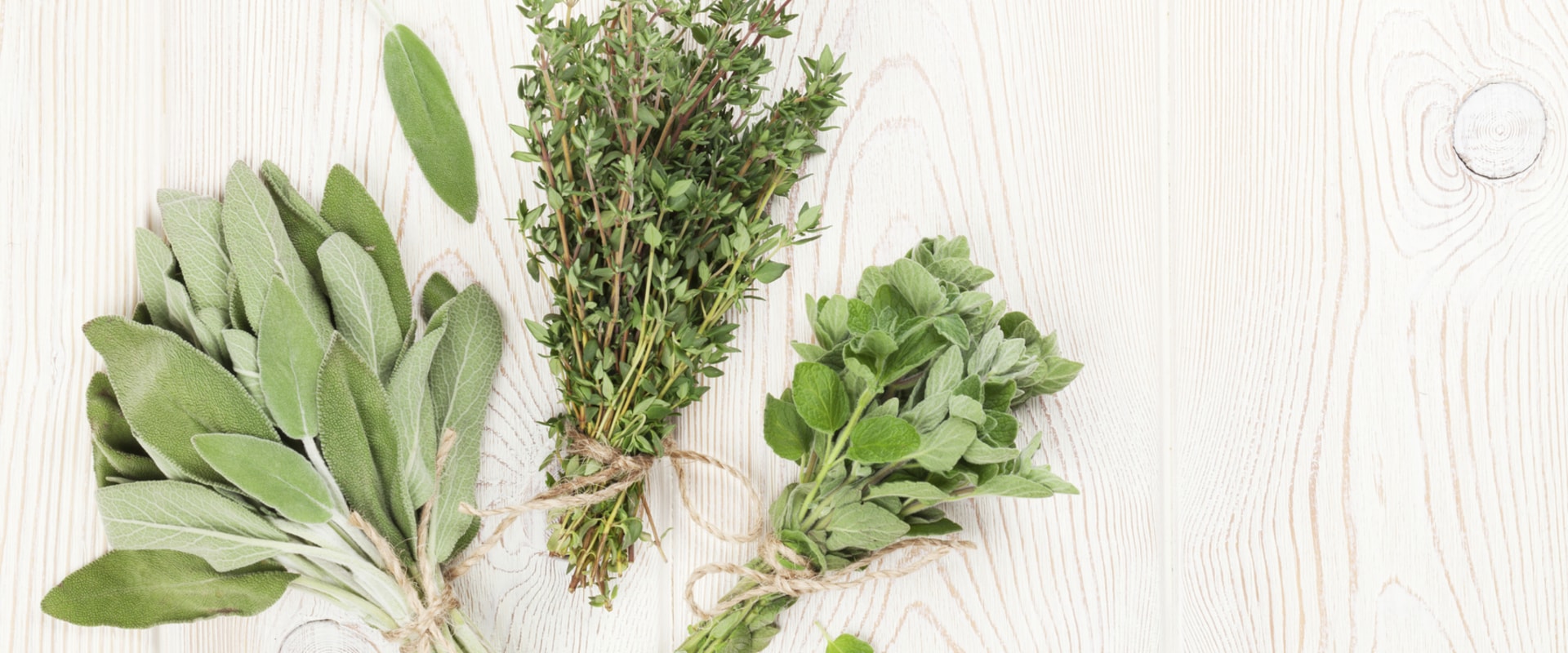

Herbal medicine, a practice rooted in ancient traditions, has been utilized for thousands of years across various cultures to promote health and well-being. This form of natural healing harnesses the power of medicinal plants to address a wide array of health issues, from minor ailments to chronic conditions. The significance of herbal remedies is not merely historical; they continue to play a vital role in modern health practices, often serving as complementary therapies alongside conventional medicine. The benefits of herbal remedies are manifold. Many people turn to these natural solutions for their perceived safety and efficacy, often seeking alternatives to synthetic pharmaceuticals that may come with unwanted side effects. to address a wide array of health issues, from minor ailments to chronic conditions. The significance of herbal remedies is not merely historical; they continue to play a vital role in modern health practices, often serving as complementary therapies alongside conventional medicine. The benefits of herbal remedies are manifold. Many people turn to these natural solutions for their perceived safety and efficacy, often seeking alternatives to synthetic pharmaceuticals that may come with unwanted side effects.
For instance, herbs like gingko biloba and turmeric have gained recognition for their potential cognitive and anti-inflammatory benefits, respectively. As research continues to unveil the therapeutic properties of various plants, the interest in herbal medicine is experiencing a resurgence, with many individuals looking to nature for holistic healing. Moreover, the relevance of herbal medicine extends beyond individual health; it encompasses a broader understanding of wellness that includes environmental sustainability and cultural heritage. Many traditional practices emphasize the importance of biodiversity and the sustainable harvesting of plants, which fosters a deeper connection between humans and nature. As we explore the world of herbal medicine, we uncover not only the healing properties of these plants but also their historical significance and the wisdom they carry from generations past.
Understanding Medicinal Plants
Medicinal plants are defined as plants that possess therapeutic properties, which can be utilized for the prevention, treatment, or alleviation of various health conditions.These plants have been integral to human health for thousands of years, forming the basis of traditional medicine systems across cultures. Their significance is not only historical but also contemporary, as many modern pharmaceuticals are derived from compounds found in these natural sources. Medicinal plants can be categorized based on their uses and the ailments they address. Here are some common categories:
- Herbs: These are typically leafy green plants used for flavoring or medicinal purposes. Examples include peppermint, known for its digestive benefits, and ginger, which is often used to alleviate nausea.
-
Roots and Rhizomes: Many medicinal properties are concentrated in the roots of plants.
Turmeric, for instance, is renowned for its anti-inflammatory effects, while ginseng is celebrated for its energy-boosting capabilities.
- Barks: The bark of certain trees has been used in traditional medicine. The most notable example is willow bark, which contains salicin, a precursor to aspirin.
-
Flowers: Some flowers have potent medicinal properties.
Echinacea
, for example, is widely recognized for its immune-boosting effects. -
Seeds and Nuts: These parts of plants can also offer health benefits.
Flax seeds
, rich in omega-3 fatty acids, are known for their heart health benefits.
Cultures around the world have relied on these natural remedies long before the advent of modern medicine. For instance, Ayurvedic medicine in India and Traditional Chinese Medicine (TCM) utilize a vast array of herbs and plant-based treatments tailored to individual needs. In contemporary medicine, there is a growing interest in the potential of medicinal plants as complementary therapies. Research continues to uncover the active compounds within these plants that contribute to their healing properties. This exploration not only validates traditional practices but also opens new avenues for drug development and holistic health approaches. In summary, understanding medicinal plants involves recognizing their diverse forms and applications in both historical and modern contexts. Cultures around the world have relied on these natural remedies long before the advent of modern medicine. For instance, Ayurvedic medicine in India and Traditional Chinese Medicine (TCM) utilize a vast array of herbs and plant-based treatments tailored to individual needs. In contemporary medicine, there is a growing interest in the potential of medicinal plants as complementary therapies. Research continues to uncover the active compounds within these plants that contribute to their healing properties. This exploration not only validates traditional practices but also opens new avenues for drug development and holistic health approaches. In summary, understanding medicinal plants involves recognizing their diverse forms and applications in both historical and modern contexts.
As we continue to explore nature's remedies, we gain valuable insights into how these plants can enhance our well-being.
Key Herbal Remedies and Their Benefits
Herbal remedies have been a cornerstone of traditional medicine for centuries, offering a natural approach to health and wellness. Below, we explore some of the most popular medicinal herbs, their healing properties, and the scientific evidence supporting their use.Chamomile
Chamomile is renowned for its calming effects, making it a popular choice for those seeking relief from anxiety and insomnia. This herb contains antioxidants that may help reduce inflammation and promote relaxation. Studies have shown that chamomile tea can significantly improve sleep quality and reduce symptoms of generalized anxiety disorder.Additionally, chamomile has been used topically to aid in wound healing due to its anti-inflammatory properties.
Turmeric
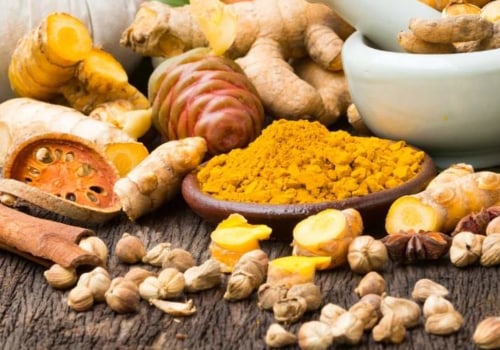
Turmeric, often referred to as a superfood, is celebrated for its active compound, curcumin, which possesses powerful anti-inflammatory and antioxidant properties. Research indicates that turmeric may play a role in preventing chronic diseases such as heart disease and cancer. Its potential benefits extend to joint health, with studies suggesting that turmeric can alleviate symptoms of arthritis and improve overall joint function. Incorporating turmeric into your diet can be as simple as adding it to curries or smoothies.Ginkgo Biloba
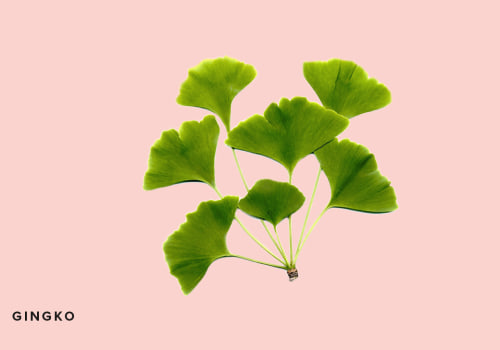
Ginkgo biloba is one of the oldest living tree species and has been used in traditional medicine for thousands of years.It is primarily known for its ability to enhance cognitive function and improve memory. Scientific studies have shown that ginkgo may help increase blood flow to the brain, which can be beneficial for individuals experiencing cognitive decline or dementia. Additionally, ginkgo has been studied for its potential to alleviate symptoms of anxiety and depression.
Evening Primrose Oil
This oil is extracted from the seeds of the evening primrose plant and is rich in gamma-linolenic acid (GLA), an essential fatty acid known for its anti-inflammatory properties. Evening primrose oil has been researched for its effectiveness in treating conditions such as eczema, premenstrual syndrome (PMS), and breast pain.Its ability to balance hormones makes it a popular choice among women seeking relief from menstrual discomfort.
Echinacea
Echinacea is widely recognized for its immune-boosting properties. Often used at the onset of colds or flu, this herb may help shorten the duration and severity of symptoms. While some studies support its efficacy in enhancing immune response, further research is needed to fully understand how echinacea works at a cellular level. It can be consumed in various forms, including teas, capsules, or tinctures. Incorporating these medicinal plants into your wellness routine can provide numerous health benefits.However, it's essential to consult with a healthcare professional before starting any new herbal regimen, especially if you are pregnant, nursing, or taking medications.
The Science Behind Herbal Medicine
The science of herbal medicine has gained significant traction in recent years, as researchers delve into the efficacy and safety of various herbal remedies. While traditional practices have long relied on these natural treatments, modern science is beginning to validate their use through rigorous studies and clinical trials. One of the primary areas of focus in the research on herbal remedies is the identification of active compounds within these plants. For instance, curcumin, the active ingredient in turmeric, has been extensively studied for its anti-inflammatory and antioxidant properties. Research indicates that curcumin can inhibit the growth of cancer cells and may even enhance the effectiveness of certain chemotherapy drugs.This highlights how traditional knowledge can be supported by scientific inquiry. Another example is gingko biloba , which has been researched for its potential benefits in improving cognitive function and memory. A meta-analysis published in the journal Psychopharmacology found that ginkgo extract may help alleviate symptoms of dementia and cognitive decline, providing a scientific basis for its long-standing use in traditional medicine. Despite the promising findings, skepticism around herbal medicine persists, often due to concerns about standardization and quality control. Many herbal products on the market lack consistent dosages and may contain contaminants. To address this, researchers advocate for more stringent regulations and quality assurance measures to ensure that consumers receive safe and effective products. Furthermore, studies have shown that some herbal treatments can interact with conventional medications, leading to adverse effects.
For example, St. John’s Wort , commonly used for depression, can reduce the effectiveness of certain prescription drugs by accelerating their metabolism in the liver. This underscores the importance of consulting healthcare professionals before starting any herbal regimen. In conclusion, while there is a growing body of evidence supporting the efficacy of herbal treatments, it is essential to approach them with caution. Continued research will not only enhance our understanding of these natural remedies but also help integrate them safely into modern healthcare practices.
How to Use Herbal Remedies Safely
Incorporating herbal remedies into your health regimen can be a rewarding experience, but it is essential to do so safely.Understanding the proper usage, dosage, and potential side effects of these natural treatments is crucial for maximizing their benefits while minimizing risks.
Dosage Recommendations
- Start with low doses: When trying a new herbal remedy, begin with a lower dose to assess your body's response. This approach helps to identify any adverse reactions before increasing the dosage.
- Follow guidelines: Many herbs come with recommended dosages based on traditional use or scientific research. Always refer to these guidelines or consult a healthcare professional for personalized advice.
- Consider form and concentration: Herbal remedies are available in various forms, including teas, capsules, tinctures, and extracts. Each form may have different concentrations of active ingredients, so adjust your dosage accordingly.
Potential Side Effects
While many herbal remedies are considered safe, they can still cause side effects in some individuals.
Common side effects may include:
- Gastrointestinal issues: Some herbs can cause stomach upset, nausea, or diarrhea.
- Allergic reactions: Individuals may experience allergic reactions ranging from mild skin rashes to severe anaphylaxis.
- Interactions with medications: Certain herbs can interact with prescription or over-the-counter medications, potentially altering their effectiveness or increasing the risk of side effects.
Interactions with Conventional Medications
Before starting any herbal remedy, it is vital to discuss it with your healthcare provider, especially if you are taking other medications. Some common interactions include:
- Blood thinners: Herbs like garlic and ginkgo biloba can enhance the effects of blood-thinning medications, increasing the risk of bleeding.
- Antidepressants: St. John's Wort is known to interact with various antidepressants, potentially leading to serotonin syndrome.
- Diabetes medications: Certain herbs may lower blood sugar levels and could lead to hypoglycemia when combined with diabetes medications.
Herbal Medicine in Different Cultures
Herbal medicine has been an integral part of human health practices across various cultures for centuries.Each region has developed its own unique approaches to utilizing medicinal plants, shaped by local flora, cultural beliefs, and historical experiences.
Traditional Chinese Medicine (TCM) is one of the oldest systems of herbal medicine, dating back thousands of years. TCM emphasizes the balance of yin and yang and the flow of qi (life energy) within the body. Practitioners use a variety of herbs, such as ginseng for energy and gingko biloba for cognitive function, often combining them into complex formulas tailored to individual needs. The holistic approach of TCM not only addresses physical ailments but also considers emotional and spiritual well-being.
In contrast, Ayurveda , the traditional medicine system from India, focuses on balancing the three doshas: Vata, Pitta, and Kapha.
Ayurvedic practitioners utilize herbs like ashwagandha for stress relief and turmeric for its anti-inflammatory properties. This ancient practice emphasizes prevention and wellness through diet, lifestyle, and herbal remedies.
Indigenous cultures
around the world also have rich traditions of herbal medicine. For instance, Native American tribes have long used plants like sage, cedar, and echinacea for both medicinal and spiritual purposes. These plants are often used in rituals to cleanse spaces or promote healing.
Similarly, African traditional medicine incorporates a wide range of herbs, with practitioners often relying on local plants to treat ailments ranging from infections to chronic diseases.
Southeast Asia
, particularly in countries like Thailand and Indonesia, has a vibrant tradition of herbal remedies known as Jamu. This practice utilizes a variety of local ingredients such as turmeric, ginger, and tamarind to create tonics that promote health and vitality. Jamu is often consumed daily as a preventive measure rather than solely for treating illness.
The global resurgence in interest in herbal medicine reflects a growing recognition of its potential benefits. As people seek natural alternatives to pharmaceuticals, the wisdom embedded in these diverse cultural practices offers valuable insights into holistic health approaches.
By understanding how different cultures utilize herbal remedies, we can appreciate the rich tapestry of knowledge that contributes to our global health perspectives.
Future Trends in Herbal Medicine
The landscape of herbal medicine is evolving rapidly, driven by a combination of scientific research, consumer demand for natural remedies, and innovative product development. As we look to the future, several key trends are emerging that promise to reshape the way we understand and utilize medicinal plants and their healing properties.Advancements in Research
One of the most significant trends in herbal medicine is the increasing focus on rigorous scientific research. Traditionally, many herbal remedies were passed down through generations based on anecdotal evidence. However, modern studies are now validating these age-old practices.For instance, clinical trials are being conducted to explore the efficacy of herbs like ashwagandha for stress relief and turmeric for its anti-inflammatory properties. This shift towards evidence-based practices not only enhances credibility but also encourages healthcare professionals to integrate herbal solutions into conventional treatment plans.
Personalized Herbal Remedies
Another exciting trend is the rise of personalized herbal medicine. With advancements in technology and a deeper understanding of individual health needs, practitioners are beginning to tailor herbal treatments to fit specific patient profiles. This approach considers factors such as genetics, lifestyle, and existing health conditions, allowing for more effective and targeted therapies.As personalized medicine continues to gain traction, we can expect a surge in customized herbal formulations that cater to individual wellness goals.
Innovative Product Development
The market for herbal products is expanding, with new innovations making these remedies more accessible and user-friendly. From herbal supplements in convenient capsule forms to ready-to-drink herbal teas infused with adaptogens, consumers are presented with a plethora of options. Additionally, advancements in extraction techniques are enhancing the potency and bioavailability of active compounds found in herbs. This means that consumers can experience greater benefits from smaller doses.Growing Interest in Natural Health Solutions
The global shift towards holistic health and wellness is driving an increased interest in natural remedies.As people become more aware of the potential side effects associated with pharmaceutical drugs, many are turning to herbal medicine as a safer alternative. This trend is particularly evident among younger generations who prioritize sustainability and natural ingredients in their health choices. In conclusion, the future of herbal medicine looks promising as research validates traditional uses, personalized approaches gain popularity, innovative products emerge, and consumer interest in natural health solutions continues to grow. These trends not only highlight the resilience of herbal medicine but also its potential to play a significant role in modern healthcare.
FAQs About Herbal Medicinal Properties
Herbal medicine has gained popularity in recent years, leading to numerous questions and misconceptions about its efficacy and safety. Below are some frequently asked questions that can help clarify common concerns regarding herbal remedies.What are herbal medicines?
Herbal medicines are products derived from plants that are used for therapeutic purposes.They can include extracts, teas, capsules, and tinctures made from various parts of the plant, such as leaves, roots, flowers, and seeds. These remedies have been utilized for centuries across different cultures to promote health and treat ailments.
Are herbal remedies safe?
While many herbal remedies are considered safe when used appropriately, they can also pose risks. It is essential to consult with a healthcare professional before starting any new herbal treatment, especially if you are pregnant, nursing, or taking other medications. Some herbs can interact with prescription drugs or cause side effects.Can herbal medicine replace conventional medicine?
Herbal medicine should not be viewed as a complete replacement for conventional medical treatments.Instead, it can be used as a complementary approach to enhance overall health and well-being. Always discuss with your healthcare provider before integrating herbal remedies into your treatment plan.
What are some common misconceptions about herbal medicine?
- All herbs are safe: Not all herbs are safe for everyone. Some can cause allergic reactions or interact negatively with medications.
- Herbal remedies work instantly: Many people expect immediate results from herbal treatments; however, they often require consistent use over time to see benefits.
- Natural means safe: Just because a product is natural does not mean it is free from side effects or risks.
How can I choose the right herbal remedy?
Selecting the right herbal remedy involves research and understanding your specific health needs. Consider the following steps:- Consult a professional: Speak with a qualified herbalist or healthcare provider who understands both herbal and conventional medicine.
- Research the herb: Look into the specific benefits, potential side effects, and recommended dosages of the herb you are considering.
- Start slowly: If you decide to try an herbal remedy, start with a low dose to monitor how your body reacts before increasing it.
Conclusion: Embracing Nature's Remedies for Better Health
In conclusion, the exploration of medicinal plants and their healing properties reveals a profound connection between nature and our health.Throughout this article, we have delved into various herbs that have stood the test of time, showcasing their potential to alleviate a wide range of ailments. From the cognitive benefits of gingko to the anti-inflammatory effects of turmeric , each plant offers unique advantages that can enhance our well-being. The use of herbal remedies is not merely a trend; it is a return to our roots, where nature provided the solutions for many health issues. As we have seen, herbs like chamomile and echinacea have been utilized for centuries, demonstrating their efficacy in promoting relaxation and boosting immunity, respectively. These natural alternatives often come with fewer side effects compared to conventional medications, making them appealing options for those seeking holistic approaches to health. Moreover, the versatility of these plants allows for various methods of consumption, whether through teas, tinctures, or topical applications.
This adaptability means that individuals can find ways to incorporate these remedies into their daily routines seamlessly. For instance, adding flax seed to your diet can be an easy way to harness its antioxidant properties while enjoying your meals. As we embrace these natural remedies, it is essential to approach them with respect and knowledge. Understanding the proper dosages and potential interactions with other medications is crucial for safe usage. Consulting with healthcare professionals who are knowledgeable about herbal medicine can provide valuable guidance tailored to individual health needs. In summary, integrating herbal remedies into our health practices not only honors traditional wisdom but also empowers us to take charge of our well-being.
By exploring the vast offerings of nature, we can discover effective solutions that promote better health and enhance our quality of life. Let us continue to seek out these gifts from nature and embrace the healing power they hold.