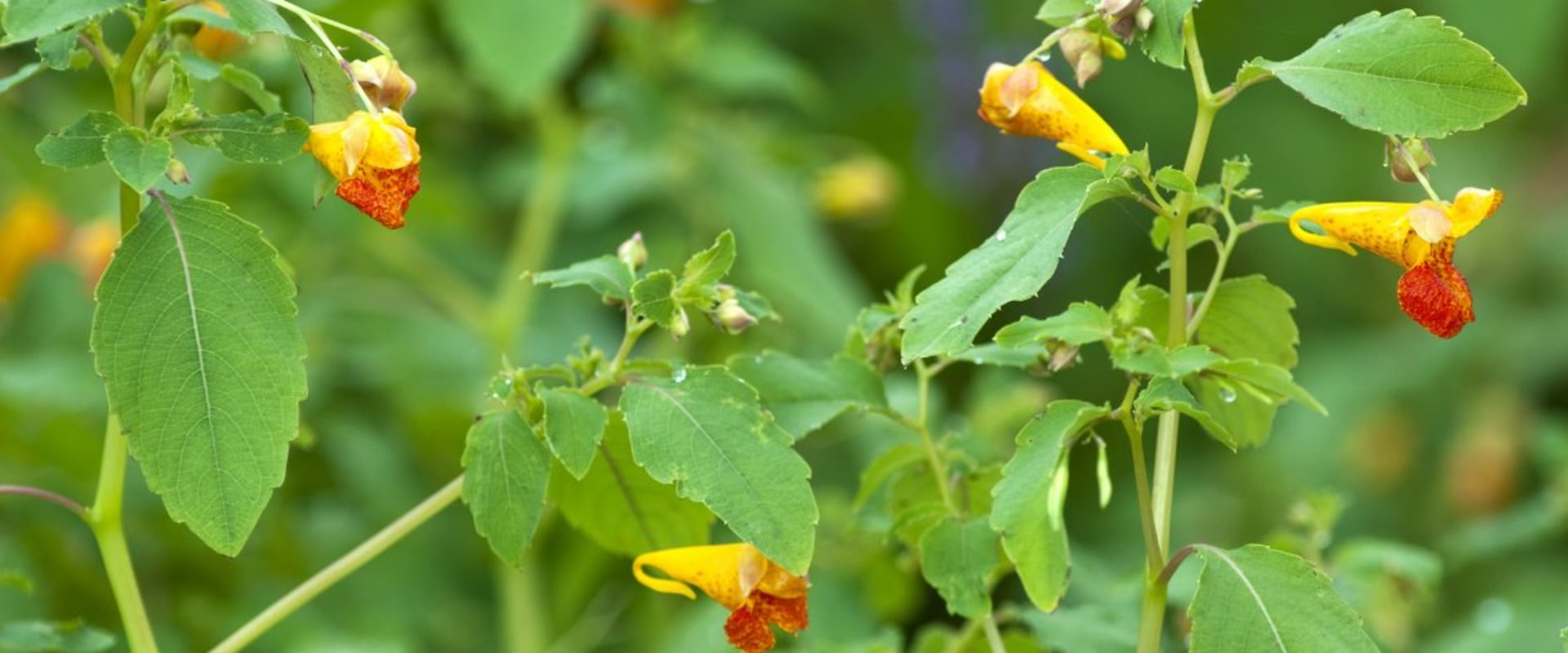

Throughout history, medicinal plants and healing herbs have played a pivotal role in the health and wellness of various cultures around the globe. From ancient civilizations that relied on nature's bounty to modern societies that are increasingly turning back to these natural remedies, the significance of herbs in promoting health cannot be overstated. These plants have been utilized for their therapeutic properties, offering a holistic approach to healing that often complements conventional medicine, much like the insights found in Debunking Common Misconceptions About Meditation in Montgomery. The use of have played a pivotal role in the health and wellness of various cultures around the globe. From ancient civilizations that relied on nature's bounty to modern societies that are increasingly turning back to these natural remedies, the significance of herbs in promoting health cannot be overstated. These plants have been utilized for their therapeutic properties, offering a holistic approach to healing that often complements conventional medicine, much like the insights found in Debunking Common Misconceptions About Meditation in Montgomery. The use of herbal medicine dates back thousands of years, with records indicating that ancient Egyptians, Greeks, and Chinese employed various plants for their healing benefits. For instance, the renowned herbalist Hippocrates, often referred to as the father of medicine, advocated for the use of plants like willow bark for pain relief.
Today, many of these traditional practices are being validated by scientific research, which is uncovering the biochemical compounds within these plants that contribute to their efficacy. In recent years, there has been a resurgence in interest surrounding medicinal herbs , driven by a growing awareness of the side effects associated with synthetic pharmaceuticals and a desire for more natural treatment options. This shift is not merely a trend; it reflects a deeper understanding of the interconnectedness between nature and human health. As people seek alternatives to conventional treatments, they are discovering the vast array of benefits that herbs can provide, from boosting immunity to alleviating chronic conditions. Moreover, the accessibility of many medicinal plants makes them an appealing option for those looking to enhance their well-being. Many herbs can be easily grown at home or sourced from local markets, allowing individuals to take control of their health in a sustainable manner.
As we delve deeper into the world of herbal medicine, we will explore not only the benefits but also the practical applications and considerations when incorporating these powerful plants into our daily lives.
Historical Use of Medicinal Plants
The use of medicinal plants dates back thousands of years, with evidence suggesting that ancient civilizations relied heavily on these natural remedies for health and healing. From the earliest records in ancient Egypt to the traditional practices of indigenous cultures around the world, the history of herbal medicine is rich and varied. In ancient Egypt, for instance, herbal remedies were documented on papyrus scrolls, showcasing a sophisticated understanding of the healing properties of plants. The Ebers Papyrus, dating back to around 1550 BCE, contains over 700 remedies and is one of the oldest known medical texts. It highlights the use of herbs such as garlic, coriander, and myrrh for various ailments, illustrating the Egyptians' reliance on nature for health. Similarly, in ancient China, the practice of Traditional Chinese Medicine (TCM) has utilized herbs for over 2,500 years.Texts like the Huangdi Neijing, or the Yellow Emperor's Classic of Internal Medicine, detail the use of plants such as ginseng, ginger, and licorice. These herbs were not only used for their medicinal properties but also played a role in balancing the body's energies. The indigenous cultures of North America also have a profound history with medicinal plants. Native American tribes have long used local flora for healing purposes. For example, echinacea was traditionally used to treat infections and wounds, while willow bark , known for its pain-relieving properties, served as a natural alternative to modern-day aspirin. The historical significance of these plants extends beyond mere remedies; they are intertwined with cultural practices and spiritual beliefs.
Many indigenous tribes view certain plants as sacred and integral to their identity and heritage. This deep-rooted connection emphasizes not only the practical applications of these herbs but also their role in rituals and community health. As we explore the historical use of medicinal plants, it becomes clear that their significance transcends time and geography. The knowledge passed down through generations continues to inform modern herbal practices, bridging ancient wisdom with contemporary health approaches.
The Science Behind Medicinal Plants
The exploration of medicinal plants has gained significant traction in recent years, driven by a growing interest in natural remedies and the quest for alternatives to synthetic pharmaceuticals. Scientific studies have increasingly validated the efficacy of various herbs, revealing the complex interplay of phytochemicals that contribute to their health benefits. Phytochemicals are bioactive compounds found in plants that play a crucial role in their medicinal properties.These compounds can be classified into several categories, including flavonoids, alkaloids, terpenoids, and glycosides. Each category exhibits unique biological activities that can influence human health in various ways.
Scientific Studies on Herbs
Numerous scientific studies have been conducted to assess the therapeutic potential of specific herbs. For instance, research on Turmeric, which contains the active compound curcumin, has shown promising results in reducing inflammation and alleviating symptoms of arthritis. A meta-analysis published in the journal Phytotherapy Research highlighted curcumin's ability to modulate inflammatory pathways, suggesting its potential as a natural anti-inflammatory agent. Another notable example is Echinacea, commonly used to boost the immune system.A systematic review in the journal Cochrane Database of Systematic Reviews found that Echinacea could reduce the duration and severity of colds when taken at the onset of symptoms. Such findings underscore the importance of timing and dosage in herbal efficacy.
The Role of Phytochemicals
The health benefits attributed to medicinal plants are largely due to their rich phytochemical content. For example:- Flavonoids: Found in fruits, vegetables, and herbs like green tea, flavonoids possess antioxidant properties that help combat oxidative stress and may lower the risk of chronic diseases.
- Alkaloids: Present in plants such as Ginseng, alkaloids can enhance energy levels and improve cognitive function.
- Terpenoids: These compounds are responsible for the aroma of many herbs and have been shown to exhibit anti-inflammatory and antimicrobial effects.
As more studies emerge, they continue to shed light on how these ancient healing traditions can coexist with contemporary medicine.
Common Medicinal Plants and Their Benefits
Medicinal plants have been revered for their healing properties across cultures and generations. Below are some of the most popular medicinal plants, along with their specific health benefits:- Chamomile : Known for its calming effects, chamomile is often used to alleviate anxiety and promote sleep. Its anti-inflammatory properties can also help soothe digestive issues, making it a popular choice for those suffering from indigestion or bloating.
- Echinacea : This herb is widely recognized for its immune-boosting capabilities. Echinacea is commonly used to prevent colds and flu, as well as to reduce the duration of these illnesses when taken at the onset of symptoms.
-
Ginseng : Renowned for its adaptogenic properties, ginseng helps the body cope with stress and enhances overall energy levels.
It is also believed to improve cognitive function and support immune health.
- Ginger : A staple in both culinary and medicinal applications, ginger is celebrated for its ability to alleviate nausea, particularly in pregnant women or those undergoing chemotherapy. Additionally, it possesses anti-inflammatory properties that can help reduce muscle pain and soreness.
- Garlic : Often referred to as a superfood, garlic is known for its cardiovascular benefits. It can help lower blood pressure and cholesterol levels while also providing antimicrobial properties that support overall health.
- Turmeric : This vibrant yellow spice contains curcumin, a powerful anti-inflammatory compound. Turmeric is often used to manage conditions such as arthritis and has been studied for its potential role in cancer prevention.
-
Lavender : Beyond its pleasant aroma, lavender is known for its calming effects on the mind and body.
It can be used in aromatherapy to reduce stress and anxiety, as well as in topical applications to soothe minor burns and insect bites.
How to Use Medicinal Herbs Safely
Using medicinal herbs can be a rewarding experience, but it is essential to approach their use with caution and knowledge. Understanding how to use these natural remedies safely can help you avoid potential adverse effects and maximize their benefits.Consulting Healthcare Professionals
Before incorporating any herbal remedy into your health regimen, it is crucial to consult with a healthcare professional, especially if you are pregnant, nursing, or have pre-existing health conditions.
A qualified practitioner can provide personalized advice based on your medical history and current medications, ensuring that the herbs you choose do not interact negatively with other treatments.
Understanding Proper Dosages
Dosage is a critical factor in the safe use of herbal remedies. Unlike conventional medications, which often come with standardized dosages, herbal preparations can vary significantly in potency. Here are some guidelines to consider:
- Start Low and Go Slow: Begin with a lower dose to assess your body's response. Gradually increase the dosage as needed while monitoring for any adverse reactions.
-
Follow Recommended Guidelines: Refer to reputable sources or herbalists for dosage recommendations specific to each herb.
Many herbs have established guidelines based on traditional use and scientific research.
- Consider the Form of the Herb: Different forms of herbs (e.g., teas, tinctures, capsules) may have varying concentrations. Be mindful of this when determining your dosage.
Avoiding Adverse Reactions
While many people benefit from using medicinal plants, it is important to recognize that some individuals may experience allergic reactions or side effects. To minimize risks:
- Research Each Herb: Understand the potential side effects and contraindications associated with each herb you plan to use.
- Keep a Journal: Document your experiences with different herbs, noting any positive or negative effects. This can help you identify which herbs work best for you.
-
Avoid Mixing Herbs: Combining multiple herbs without guidance can lead to unexpected interactions.
Stick to one or two at a time until you understand their effects on your body.
The Role of Medicinal Plants in Modern Medicine
In recent years, the integration of medicinal plants into modern medicine has gained significant traction, reflecting a growing recognition of their therapeutic potential. As healthcare continues to evolve, many practitioners are exploring the benefits of combining traditional herbal remedies with conventional treatments, leading to a more holistic approach to patient care. One of the primary roles of medicinal plants in modern medicine is their use as complementary therapies. These therapies can enhance the effectiveness of standard medical treatments while minimizing side effects.For instance, herbs like ginger and peppermint are often recommended to alleviate nausea associated with chemotherapy, providing patients with a natural alternative to pharmaceutical antiemetics. Moreover, the incorporation of herbal remedies into treatment plans can address various health issues that conventional medicine may not fully resolve. For example, ashwagandha, an adaptogenic herb, is increasingly recognized for its ability to reduce stress and anxiety levels. This makes it a valuable addition for patients seeking relief from mental health challenges alongside their prescribed medications. The synergy between herbal remedies and conventional treatments is also evident in pain management. Plants such as turmeric, known for its anti-inflammatory properties, are being studied for their potential to reduce chronic pain when used in conjunction with traditional analgesics.
This integration not only enhances patient outcomes but also promotes a more personalized approach to healthcare. Furthermore, the rise of evidence-based research on herbs in modern medicine has led to increased acceptance among healthcare professionals. Clinical studies are now validating the efficacy of various medicinal plants, paving the way for their inclusion in treatment protocols. This shift is particularly important as patients increasingly seek natural alternatives to synthetic drugs due to concerns over side effects and long-term health impacts. In conclusion, the role of medicinal plants in modern medicine is multifaceted and continues to expand. By embracing these natural remedies as complementary therapies, healthcare providers can offer more comprehensive care that addresses both physical and emotional well-being.
As research progresses and awareness grows, the future of medicine may very well lie in the harmonious integration of nature's healing gifts with established medical practices.
Environmental Impact and Sustainability of Medicinal Plants
The use of medicinal plants and herbs not only offers health benefits but also plays a significant role in promoting environmental sustainability. As the demand for natural remedies grows, it is crucial to adopt practices that ensure the long-term viability of these valuable resources.Sustainable Harvesting Practices
Sustainable harvesting refers to the collection of plants in a way that maintains their populations and ecosystems. This practice is essential for preventing overharvesting, which can lead to the depletion of certain species and disrupt local biodiversity. Here are some key principles of sustainable harvesting:
-
Selective Harvesting: Instead of uprooting entire plants, gather only the parts needed, such as leaves or flowers.
This allows the plant to continue growing and reproducing.
- Timing: Harvesting at the right time ensures that plants have reached maturity and can regenerate effectively. For instance, collecting herbs during their peak growing season maximizes their medicinal properties while allowing them to recover afterward.
- Monitoring Populations: Regularly assess the health and abundance of plant populations to ensure they are not being overexploited. This can involve keeping records of harvest amounts and locations.
Eco-Friendly Medicine
Utilizing local herbs for medicinal purposes significantly reduces the carbon footprint associated with transporting pharmaceuticals. By sourcing remedies from nearby environments, communities can support local economies while minimizing environmental impact.
Additionally, many medicinal plants are resilient and require fewer resources, such as water and fertilizers, compared to conventional crops.
Environmental Benefits of Medicinal Plants
The cultivation and preservation of medicinal plants contribute positively to ecosystems in several ways:
- Biodiversity Enhancement: Growing a variety of medicinal herbs encourages biodiversity, which is vital for ecosystem stability. Diverse plant life supports various animal species and helps maintain ecological balance.
- Soil Health: Many medicinal plants improve soil quality through their root systems, which can prevent erosion and enhance nutrient cycling. This is particularly important in areas prone to degradation.
- Carbon Sequestration: Like all plants, medicinal herbs absorb carbon dioxide from the atmosphere, helping mitigate climate change effects. Their cultivation can contribute to carbon offset initiatives.
By prioritizing eco-friendly methods, we can ensure that these natural resources remain available for future generations while supporting environmental conservation efforts.
FAQs About Medicinal Plants and Healing Herbs
As interest in medicinal plants and healing herbs continues to grow, many people have questions about their efficacy, safety, and usage. Below are some frequently asked questions that clarify common misconceptions and provide practical insights into the world of herbal medicine.What are medicinal plants?
Medicinal plants are those that possess therapeutic properties and can be used to treat various health conditions. These plants contain bioactive compounds that can influence biological processes in the body, making them valuable in both traditional and modern medicine.Are all herbs safe to use?
While many herbs are safe for most people, it is crucial to remember that not all herbs are suitable for everyone. Some individuals may experience allergic reactions or adverse effects from certain plants.It is always advisable to consult with a healthcare professional before starting any herbal regimen, especially if you have pre-existing health conditions or are taking other medications.
Can herbal remedies replace conventional medicine?
Herbal remedies can complement conventional treatments but should not be viewed as a complete replacement. Many medicinal plants can enhance the effectiveness of standard therapies or help alleviate side effects. However, it is essential to discuss any herbal use with your healthcare provider to ensure safety and efficacy.What are some common misconceptions about herbal medicine?
- Herbs are always safe: This is a common myth. Just because something is natural does not mean it is free from side effects or interactions.
- All herbs work the same for everyone: Individual responses to herbs can vary significantly based on genetics, health status, and other factors.
- Herbal medicine is unregulated: While it may not be as strictly regulated as pharmaceuticals, many countries have guidelines and standards for herbal products.
How can I find quality herbal products?
When searching for high-quality herbal products, consider the following tips:- Research brands: Look for reputable companies that provide transparency about their sourcing and manufacturing processes.
- Check for certifications: Certifications from organizations like the USDA or GMP (Good Manufacturing Practices) can indicate quality.
- Read reviews: Customer feedback can provide insights into the effectiveness and safety of a product.
Always prioritize safety and consult with professionals when necessary.
Conclusion: Embracing the Power of Nature's Remedies
In conclusion, the exploration of medicinal plants and healing herbs reveals a profound connection between nature and human health. Throughout history, these natural remedies have provided relief and healing, often with fewer side effects compared to synthetic pharmaceuticals. As we have discussed, the benefits of incorporating these plants into our wellness routines are numerous, ranging from their ability to alleviate common ailments to their potential in supporting overall health. Understanding the properties of various herbs allows us to make informed choices about our health. For instance, herbs like ginger and turmeric are not only celebrated for their anti-inflammatory properties but also for their roles in enhancing digestive health.Similarly, echinacea is widely recognized for its immune-boosting capabilities, making it a popular choice during cold and flu season. However, it is crucial to approach the use of medicinal plants with caution and respect. While many herbs are safe for general use, individual reactions can vary significantly. Consulting with a healthcare professional before starting any herbal regimen is essential, especially for those with pre-existing conditions or those taking other medications. Moreover, the sustainability of our natural resources should be a priority. As we embrace the power of nature's remedies, we must also commit to responsible harvesting practices that protect these valuable plants for future generations.
Supporting local herbalists and sustainable farming practices can help ensure that we maintain a healthy ecosystem while benefiting from the gifts that nature provides. In summary, the journey into the world of medicinal plants and healing herbs is not just about finding alternatives to conventional medicine; it is about fostering a deeper appreciation for the natural world and its ability to heal. By integrating these remedies into our lives thoughtfully and responsibly, we can enhance our well-being while honoring the traditions that have guided us for centuries.