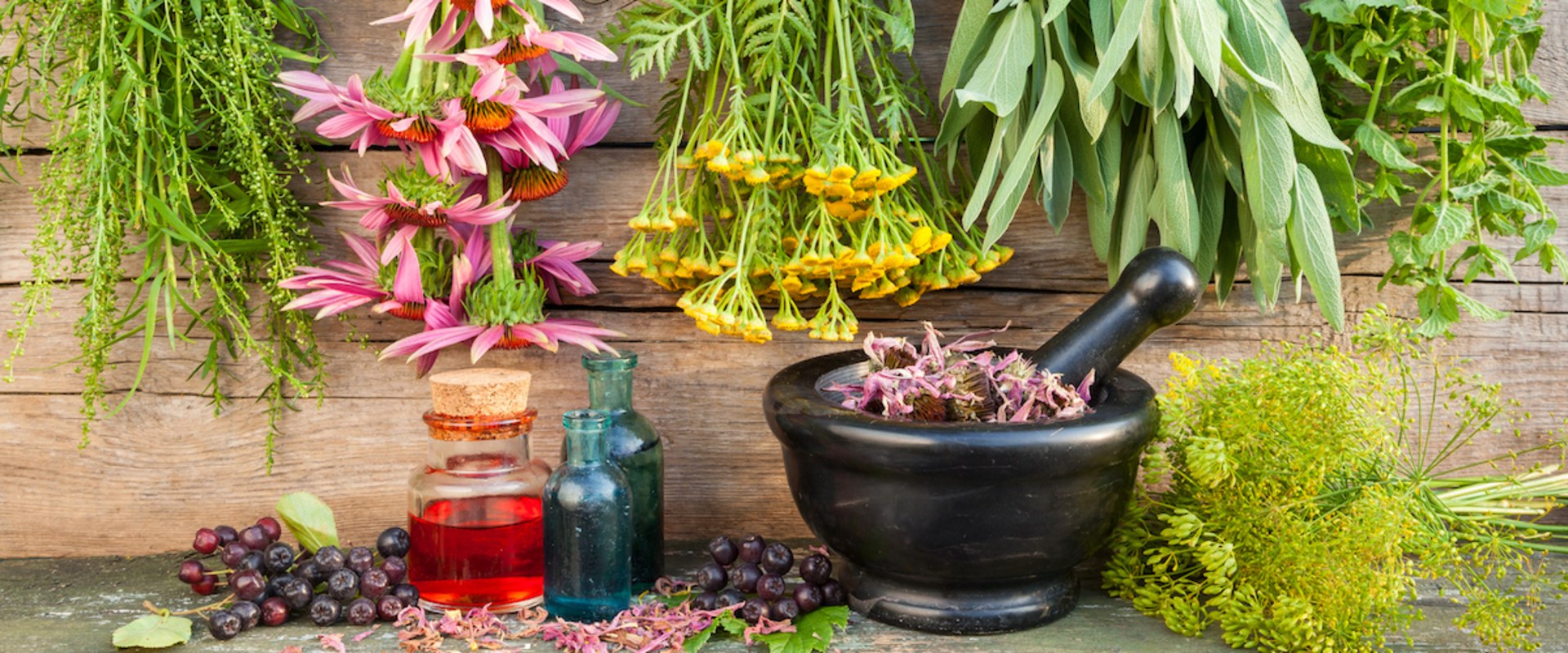
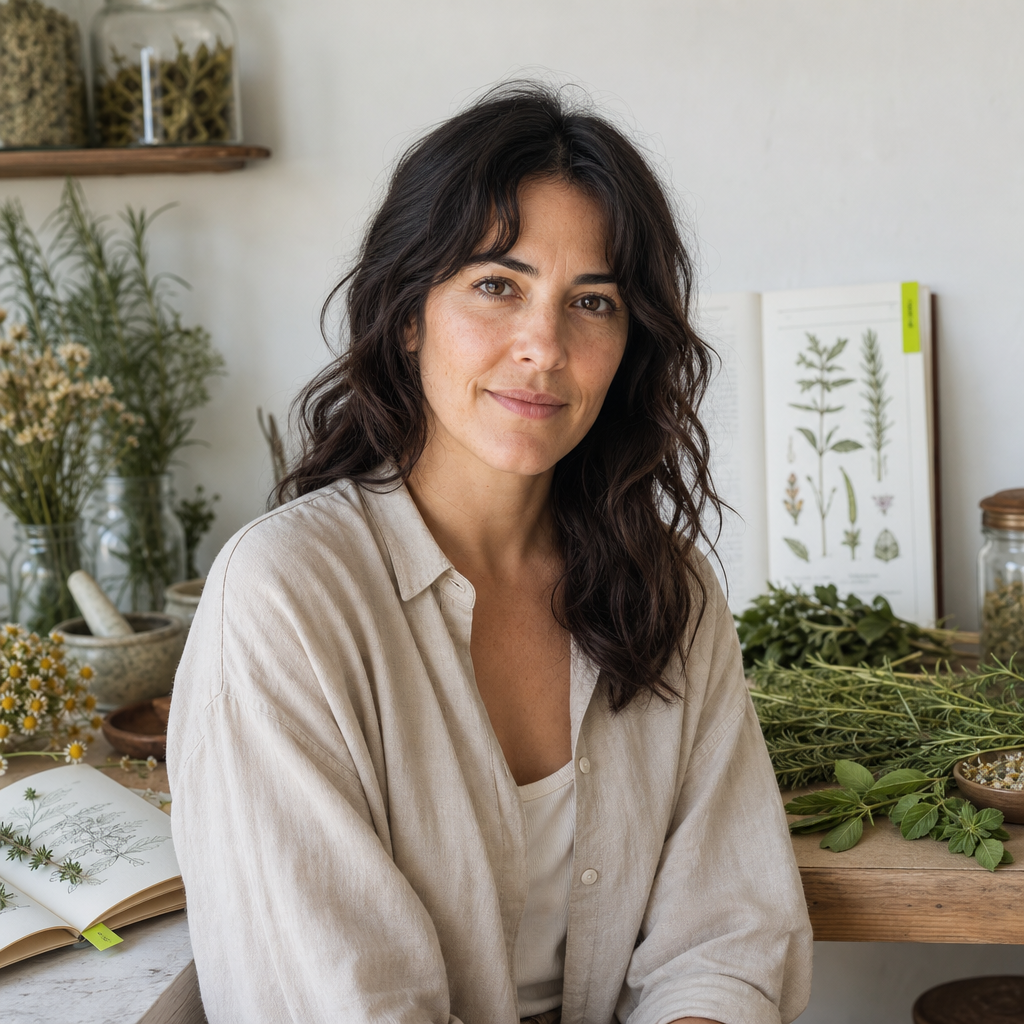
For centuries, healing herbs and medicinal plants have played a pivotal role in human health and wellness. These natural remedies have been utilized across various cultures, from ancient Egyptian practices to traditional Chinese medicine, showcasing their enduring significance. The knowledge of these plants has been passed down through generations, often rooted in the belief that nature holds the key to healing. Today, as we navigate a world increasingly focused on holistic health, the relevance of these herbs is more pronounced than ever, especially when considering the most common treatments for toenail fungus. The resurgence of interest in have played a pivotal role in human health and wellness. These natural remedies have been utilized across various cultures, from ancient Egyptian practices to traditional Chinese medicine, showcasing their enduring significance. The knowledge of these plants has been passed down through generations, often rooted in the belief that nature holds the key to healing. Today, as we navigate a world increasingly focused on holistic health, the relevance of these herbs is more pronounced than ever, especially when considering the most common treatments for toenail fungus. The resurgence of interest in herbal medicine can be attributed to a growing desire for natural alternatives to conventional pharmaceuticals.
Many individuals are seeking ways to enhance their well-being through the use of plants that have been shown to possess therapeutic properties. This shift is not merely a trend; it reflects a deeper understanding of the interconnectedness between nature and health. By harnessing the power of these plants, people are discovering effective ways to address various ailments, from minor discomforts to chronic conditions. In this comprehensive guide, we will delve into the myriad benefits of herbs and explore how they can be integrated into daily life. From soothing teas that promote relaxation to potent extracts that support immune function, the potential applications of medicinal plants are vast.
As we embark on this journey through the world of healing herbs, we will uncover not only their historical significance but also their practical uses in modern health practices. Join us as we explore the fascinating realm of healing herbs and medicinal plants, where ancient wisdom meets contemporary science. Whether you are a seasoned herbalist or a curious newcomer, this guide aims to provide valuable insights into how these remarkable plants can enhance your health and well-being.
Understanding Medicinal Plants: A Historical Perspective
The use of medicinal plants dates back thousands of years, with evidence suggesting that ancient civilizations relied heavily on herbs for healing purposes. From the Egyptians to the Chinese, various cultures developed their own systems of herbal medicine, each contributing to the rich tapestry of traditional healing practices we recognize today. In ancient Egypt, for instance, herbal remedies were documented on papyrus scrolls, showcasing a sophisticated understanding of plant properties. The Ebers Papyrus, dating back to around 1550 BCE, lists over 700 medicinal plants and their uses, including garlic for its antibacterial properties and myrrh for its anti-inflammatory effects.These early texts highlight the Egyptians' reliance on nature to treat ailments and maintain health. Similarly, traditional Chinese medicine (TCM) has a long history of utilizing herbs as a cornerstone of health care. TCM practitioners have used plants like ginseng and ginger for centuries, believing in their ability to balance the body's energies and promote overall wellness. The Shennong Bencao Jing, an ancient Chinese pharmacopoeia, categorizes over 300 medicinal plants and emphasizes the importance of herbal combinations tailored to individual needs. In India, the practice of Ayurveda has also played a significant role in the historical use of medicinal plants. This holistic system of medicine incorporates herbs such as turmeric and ashwagandha, which are believed to enhance vitality and support various bodily functions.
Ayurvedic texts like the Sushruta Samhita detail surgical techniques and herbal remedies that have influenced both Eastern and Western medicine. As these ancient practices evolved, they laid the groundwork for modern herbal medicine. The Renaissance period saw a resurgence in interest in botanical studies, leading to the classification of plants based on their medicinal properties. This era marked a shift towards empirical research and experimentation, paving the way for contemporary pharmacology. Today, while scientific advancements have transformed our understanding of health and disease, many people still turn to traditional herbal medicine as a complementary approach. The enduring legacy of these ancient practices underscores the profound connection between humans and nature in the quest for healing.
Popular Healing Herbs and Their Benefits
Herbal remedies have gained significant popularity in recent years, as more people seek natural alternatives for health and wellness.Among the myriad of medicinal plants, several stand out due to their extensive use and proven benefits. Here, we delve into some of the most popular healing herbs, exploring their unique properties and potential applications.
Chamomile
Chamomile is renowned for its calming effects, making it a staple in many households. This herb is often consumed as a tea, which can help alleviate insomnia and promote relaxation. Beyond its soothing properties, chamomile is also known for:- Digestive Health: Chamomile can aid in digestion and relieve symptoms of indigestion and bloating.
- Anti-Inflammatory Effects: The herb contains antioxidants that may reduce inflammation in the body.
- Skin Benefits: Chamomile can be applied topically to soothe skin irritations and promote healing.
Turmeric
Turmeric, a vibrant yellow spice commonly used in cooking, is celebrated for its powerful anti-inflammatory and antioxidant properties.The active compound, curcumin, is responsible for many of its health benefits:
- Cancer Prevention: Research suggests that curcumin may inhibit the growth of cancer cells and reduce tumor size.
- Joint Health: Turmeric is often recommended for arthritis sufferers due to its ability to alleviate joint pain and stiffness.
- Heart Health: It may improve heart health by enhancing endothelial function and reducing inflammation.
Ginkgo Biloba
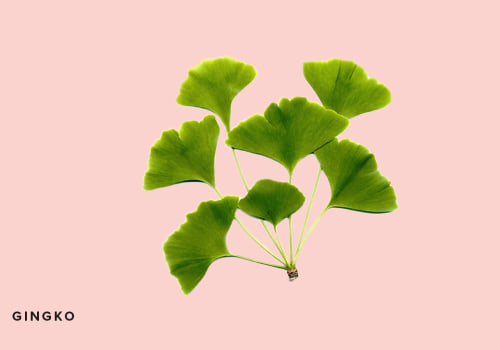
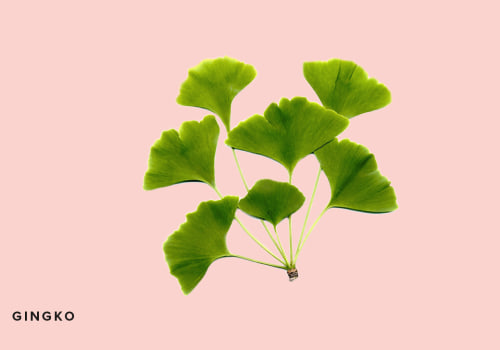
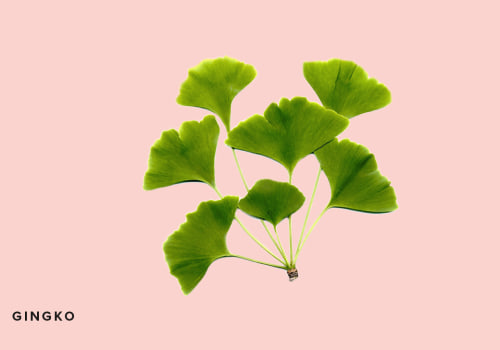
Ginkgo biloba is one of the oldest living tree species and has been used in traditional medicine for centuries. Its leaves are often used to create supplements aimed at improving cognitive function:- Cognitive Enhancement: Ginkgo is believed to enhance memory and concentration, making it popular among students and older adults.
- Anxiety Relief: Some studies suggest that ginkgo may help reduce symptoms of anxiety and improve mood.
- Circulation Improvement: It may enhance blood flow, which can benefit those with circulatory disorders.
Always consider individual health conditions and consult with a healthcare professional when adding new supplements to your regimen.
How to Incorporate Medicinal Plants into Your Daily Life
Incorporating medicinal plants into your daily life can be a rewarding journey towards better health and wellness. Here are some practical ways to seamlessly integrate these healing herbs into your routine:Cooking with Medicinal Herbs
One of the simplest ways to use medicinal plants is by adding them to your meals. Here are some tips:- Fresh Herbs: Use fresh herbs like basil, parsley, and cilantro in salads, soups, and sauces. Not only do they enhance flavor, but they also provide numerous health benefits.
-
Dried Herbs: Incorporate dried herbs such as oregano, thyme, and rosemary into your cooking.
They can be added to marinades, stews, and roasted vegetables for added flavor and nutrition.
- Herbal Infusions: Create herbal infusions by steeping dried herbs in hot water. This method is excellent for extracting the medicinal properties of herbs like chamomile or peppermint.
Making Herbal Teas
Herbal teas are a delightful way to enjoy the benefits of medicinal plants. Here’s how to make your own:- Select Your Herbs: Choose herbs based on their healing properties. For relaxation, consider chamomile or lavender; for digestion, try peppermint or ginger.
-
Preparation: Use about one teaspoon of dried herbs or one tablespoon of fresh herbs per cup of boiling water.
Steep for 5-10 minutes, depending on the strength you desire.
- Add Flavor: Enhance your tea with natural sweeteners like honey or lemon for added flavor and health benefits.
Using Essential Oils Safely
Essential oils derived from medicinal plants can be powerful allies in promoting health. However, it’s crucial to use them safely:- Dilution: Always dilute essential oils with a carrier oil (like coconut or jojoba oil) before applying them to the skin to prevent irritation.
- Aromatherapy: Use a diffuser to disperse essential oils like eucalyptus or lavender in your home for relaxation and respiratory support.
- Consultation: If you’re new to essential oils, consider consulting with a qualified aromatherapist or healthcare provider to ensure safe usage.
Growing Your Own Healing Herbs: A Beginner's Guide
Growing your own medicinal herbs can be a rewarding and fulfilling endeavor, allowing you to harness the healing properties of nature right from your backyard or windowsill. Whether you have a sprawling garden or just a small pot on your kitchen counter, there are numerous easy herbs to grow that can enhance your health and well-being.Choosing the Right Herbs
When starting your herb garden, it’s essential to select plants that are not only beneficial but also suited to your growing conditions. Here are some popular medicinal herbs that are beginner-friendly:
- Chamomile: Known for its calming effects, chamomile is easy to grow from seeds and thrives in sunny spots.
-
Lavender: This fragrant herb is not only beautiful but also has relaxing properties.
It prefers well-drained soil and full sun.
- Echinacea: Often used to boost the immune system, echinacea is a hardy perennial that can tolerate various soil types.
- Mint: A vigorous grower, mint can be invasive, so it’s best planted in pots. It’s great for digestive health.
- Thyme: This versatile herb is drought-resistant and can be used in cooking as well as for its antiseptic properties.
Caring for Your Herbs
Once you’ve selected your herbs, proper care is crucial for their growth and potency. Here are some tips:
- Soil: Use well-draining soil enriched with organic matter. Herbs generally prefer slightly acidic to neutral pH levels.
-
Watering: Water your herbs regularly but avoid overwatering.
Most herbs prefer their soil to dry out slightly between waterings.
- Sunlight: Most medicinal herbs thrive in full sun (6-8 hours a day). Ensure they receive adequate light for optimal growth.
- Pest Management: Keep an eye out for pests. Natural remedies like neem oil or insecticidal soap can help manage infestations without harmful chemicals.
Harvesting Your Herbs
The timing of your harvest can significantly impact the potency of the medicinal properties of your herbs. Here are some guidelines:
- Harvest leaves in the morning after the dew has dried for maximum flavor and potency.
- Avoid cutting more than one-third of the plant at a time to ensure continued growth.
- Dried herbs should be stored in airtight containers away from light to preserve their medicinal qualities.
Safety Considerations When Using Herbal Remedies
When considering the use of herbal remedies, it is crucial to prioritize safety and be aware of potential risks.While many medicinal plants offer significant health benefits, they can also pose risks if not used correctly. Here are some important safety considerations to keep in mind:
Potential Side Effects
Just like conventional medications, herbal remedies can have side effects. These may vary depending on the individual, the dosage, and the specific herb being used. Common side effects include:- Nausea
- Allergic reactions
- Dizziness
- Headaches
- Digestive issues
Similarly, turmeric, known for its anti-inflammatory properties, may lead to gastrointestinal discomfort in some users.
Interactions with Medications
Another critical aspect of herbal remedy safety is the potential for interactions with prescription or over-the-counter medications. Some herbs can enhance or inhibit the effects of medications, leading to unintended consequences. For example:- Gingko biloba may increase bleeding risk when taken with anticoagulants.
- Echinacea can interfere with immunosuppressive drugs.
- St. John's Wort , although not mentioned previously, is known to reduce the effectiveness of various medications, including antidepressants and birth control pills.
Consulting Healthcare Professionals
The importance of consulting a healthcare provider cannot be overstated.A qualified professional can help you navigate the complexities of herbal remedies and ensure that you are making safe choices tailored to your health needs. They can also provide guidance on appropriate dosages and forms of herbs (such as teas, capsules, or tinctures) that may be most effective for your situation. In summary, while medicinal plants can offer numerous health benefits, it is vital to approach their use with caution. By being aware of potential side effects, understanding interactions with medications, and seeking professional advice, you can safely incorporate herbal remedies into your wellness routine.
Conclusion: Embracing the Power of Nature for Healing
As we conclude our exploration of medicinal plants and healing herbs, it becomes clear that these natural remedies hold a significant place in both traditional and modern health practices. The rich history of herbal medicine, combined with contemporary research, underscores the potential benefits of incorporating these plants into our daily lives. Throughout this guide, we have examined a variety of herbs, each with unique properties and applications.From the calming effects of chamomile to the cognitive support offered by gingko , these plants provide a wealth of options for those seeking natural alternatives to conventional medicine. Furthermore, the anti-inflammatory benefits of turmeric and the skin-healing properties of tea tree oil illustrate just how versatile these herbs can be. However, it is essential to approach herbal remedies with knowledge and caution. Understanding the proper usage, potential interactions with medications, and individual health conditions is crucial for safe and effective use. Consulting with healthcare professionals who are knowledgeable about herbal medicine can help ensure that you make informed decisions. Incorporating healing herbs into your lifestyle can be as simple as growing your own garden or adding herbal teas to your daily routine.
Not only does this promote physical health, but it also fosters a deeper connection with nature. Engaging with the natural world can enhance mental well-being and provide a sense of peace in our often chaotic lives. Ultimately, embracing the power of nature through medicinal plants encourages a holistic approach to health. By recognizing the value of these herbs, we can empower ourselves to take charge of our well-being. As you explore the world of healing herbs, remember that nature offers us a treasure trove of remedies waiting to be discovered and utilized for our health and happiness.