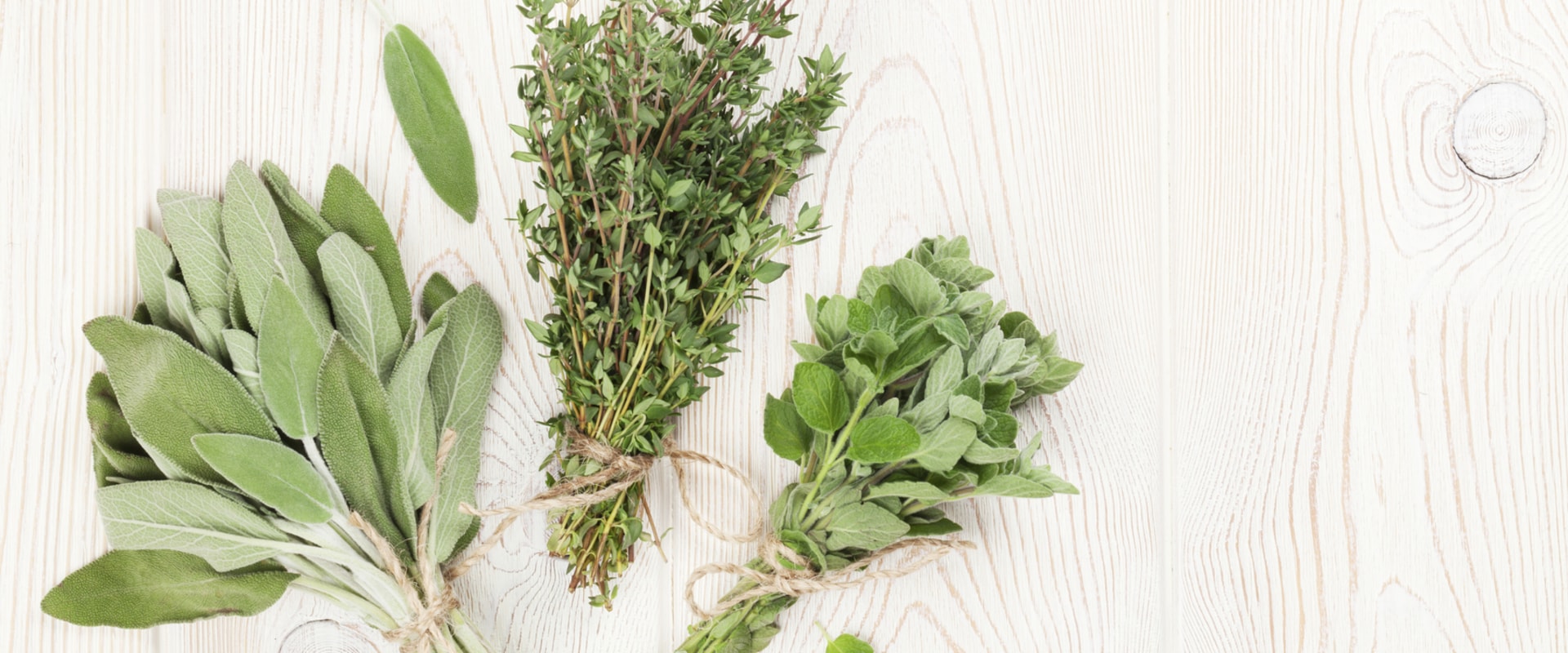

Throughout history, healing herbs and medicinal plants have played a pivotal role in the health and wellness of various cultures around the globe. From ancient Egyptian remedies to traditional Chinese medicine, these natural substances have been revered for their ability to promote healing and enhance well-being. Today, as more people seek alternatives to conventional medicine, the interest in herbal remedies has surged, leading to a renaissance of sorts in the use of these time-honored plants. The benefits of herbs extend far beyond mere folklore; scientific research has begun to validate many of the claims made about their efficacy. For instance, herbs like ginger and turmeric are now recognized for their anti-inflammatory properties, while others like chamomile and lavender are celebrated for their calming effects.
This growing body of evidence supports the idea that incorporating herbal remedies into our daily lives can lead to improved health outcomes and a greater sense of balance. Moreover, the modern lifestyle often leads to increased stress and a disconnection from nature, making the use of healing herbs even more relevant. By embracing these natural solutions, individuals can reconnect with traditional practices that prioritize holistic health. Whether it’s brewing a soothing cup of herbal tea or using essential oils derived from plants, there are countless ways to integrate these powerful botanicals into everyday life. As we delve deeper into the world of healing herbs, it becomes clear that they offer not just physical benefits but also emotional and spiritual support. Understanding how to harness their potential can empower individuals to take charge of their health in a natural and sustainable way.
In the following sections, we will explore specific herbs, their uses, and how they can be effectively incorporated into your wellness routine.
Understanding Medicinal Plants
Medicinal plants are defined as those plants that possess therapeutic properties, making them valuable in the treatment and prevention of various health conditions. These plants have been utilized for centuries across different cultures, forming the foundation of traditional medicine systems such as Ayurveda, Traditional Chinese Medicine, and Native American healing practices. Understanding what constitutes a medicinal plant is crucial for anyone interested in natural health remedies.Types of Medicinal Plants
- Herbs: These are typically leafy green plants that are used for flavoring or medicinal purposes. Common examples include peppermint, ginger, and chamomile.
- Shrubs: Some shrubs have potent medicinal properties.
For instance, willow bark is known for its pain-relieving effects due to its salicin content.
- Trees: Many trees provide medicinal benefits; for example, the neem tree is revered in Ayurvedic medicine for its antibacterial and anti-inflammatory properties.
- Roots and Rhizomes: The underground parts of plants often contain concentrated medicinal compounds. Turmeric, known for its anti-inflammatory properties, is a prime example.
- Barks: The bark of certain trees, like the Cinchona tree, has been historically significant in treating malaria due to its quinine content.
Uses of Medicinal Plants
The applications of medicinal plants are vast and varied. They can be used in several forms, including:
- Teas and Infusions: Many herbs can be steeped in hot water to create soothing teas that promote relaxation or digestion.
- Tinctures: These are concentrated liquid extracts made by soaking herbs in alcohol or vinegar, allowing for easy consumption and absorption.
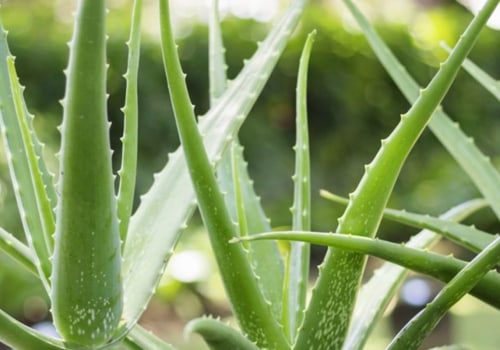
- Topical Applications: Some plants can be applied directly to the skin to alleviate conditions such as inflammation or infections. For example, Aloe vera is widely used for its soothing properties on burns and cuts.
- Pills and Capsules: Many herbal supplements are available in pill form, providing a convenient way to incorporate medicinal plants into daily health regimens.
As research continues to uncover the benefits of these natural remedies, they remain a vital component of holistic health approaches.
Popular Healing Herbs and Their Uses
When it comes to healing herbs, several popular options have stood the test of time, each offering unique health benefits and versatile uses. Below are some of the most well-known healing herbs and their applications in promoting optimal health.Chamomile
Chamomile is renowned for its calming properties, making it a popular choice for those seeking relief from stress and anxiety. This herb is often consumed as a tea, which can help improve sleep quality and alleviate insomnia. Additionally, chamomile has anti-inflammatory properties that may aid in soothing digestive issues such as bloating and indigestion.Peppermint
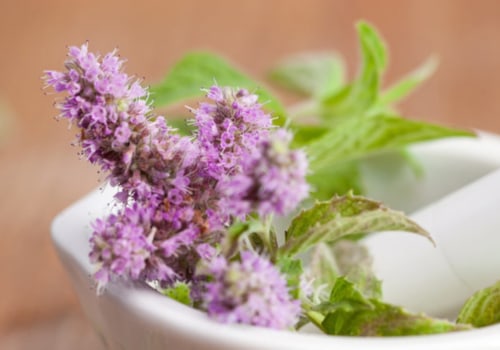
Peppermint is another versatile herb that offers numerous health benefits.Its menthol content provides a cooling sensation that can relieve headaches and muscle pain when applied topically. Peppermint tea is commonly used to ease digestive discomfort, including gas and nausea. Furthermore, inhaling peppermint oil can help clear nasal passages and improve respiratory function.
Ginger
Ginger is widely recognized for its anti-nausea effects, making it an excellent remedy for motion sickness and morning sickness during pregnancy. This potent root also possesses anti-inflammatory properties that can help reduce pain associated with arthritis and other inflammatory conditions.Incorporating ginger into your diet, whether through teas, smoothies, or cooking, can enhance overall digestive health.
Turmeric
Turmeric is celebrated for its active compound, curcumin, which has powerful anti-inflammatory and antioxidant properties. This herb is often used to support joint health and may help alleviate symptoms of arthritis. Turmeric can be consumed in various forms, including capsules, teas, or as a spice in cooking. Combining turmeric with black pepper enhances its absorption, maximizing its health benefits.Conclusion
Incorporating these medicinal plants into your daily routine can provide significant health benefits.However, it’s essential to consult with a healthcare professional before starting any new herbal regimen to ensure safety and effectiveness based on your individual health needs.
How to Use Healing Herbs Safely
Using healing herbs can be a powerful way to enhance your health, but it is crucial to approach them with caution and knowledge. Understanding how to use these medicinal plants safely is essential for maximizing their benefits while minimizing potential risks.Dosage Guidelines
When it comes to herbal remedies, dosage is key. Unlike conventional medications, the potency of herbs can vary significantly based on factors such as the plant's growing conditions, preparation methods, and individual body chemistry. Here are some general guidelines to consider:
- Start Low and Go Slow: If you are new to a particular herb, begin with a lower dose to assess your body's response.
Gradually increase the dosage as needed.
- Follow Recommended Dosages: Always refer to reputable sources or consult with a healthcare professional for recommended dosages specific to the herb you are using.
- Consider Formulation: Different forms of herbs (teas, tinctures, capsules) may have varying concentrations. Be mindful of this when determining your dosage.
Potential Side Effects
While many herbs are safe for most people, some can cause side effects or adverse reactions. Common side effects may include:
- Nausea or gastrointestinal upset
- Allergic reactions, such as skin rashes or respiratory issues
- Drowsiness or fatigue
- Increased heart rate or blood pressure changes
Interactions with Medications
Herbs can interact with prescription and over-the-counter medications, potentially altering their effectiveness or causing harmful side effects. For example:
- St.
John's Wort
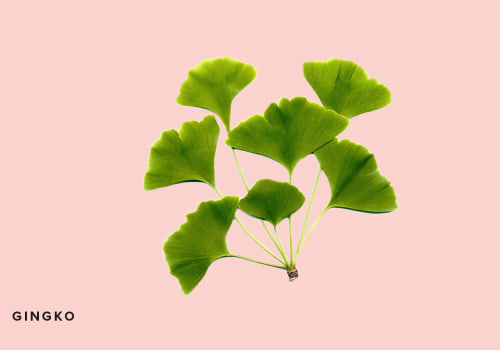
can reduce the effectiveness of certain antidepressants and birth control pills. - Ginkgo biloba may increase bleeding risk when taken with blood thinners.
- Garlic can enhance the effects of anticoagulants, leading to excessive bleeding.
Integrating Healing Herbs into Your Daily Routine
Incorporating healing herbs into your daily routine can be a transformative step towards enhancing your overall health and well-being. Here are some practical ways to seamlessly integrate these medicinal plants into your life.Cooking with Herbs
One of the most enjoyable ways to use healing herbs is by adding them to your meals. Fresh or dried herbs can elevate the flavor of your dishes while providing numerous health benefits.Here are some tips:
- Seasoning: Use herbs like basil, oregano, and thyme to season meats, vegetables, and sauces. Not only do they add flavor, but they also contain antioxidants that can help combat inflammation.
- Herb-infused oils: Create your own herb-infused oils by steeping fresh herbs in olive oil. This can be used as a dressing or for cooking, imparting both flavor and health benefits.
- Smoothies: Add a handful of fresh herbs like mint or parsley to your smoothies for an extra nutrient boost. These herbs can aid digestion and provide refreshing flavors.
Herbal Teas
Herbal teas are a simple yet effective way to enjoy the benefits of healing herbs.They can be consumed at any time of the day and are particularly soothing:
- Chamomile: Known for its calming properties, chamomile tea can help reduce anxiety and promote better sleep.
- Ginger: Ginger tea is excellent for digestion and can help alleviate nausea. It’s also a warming herb that supports circulation.
- Mint: Peppermint tea is refreshing and can aid in digestion, making it a great after-meal drink.
Supplements and Topical Applications
If you find it challenging to incorporate enough herbs into your diet, consider herbal supplements. These come in various forms, including capsules, tinctures, and extracts:- Capsules: Many medicinal plants are available in capsule form, making it easy to take them daily without altering your diet significantly.
- Tinctures: These concentrated liquid extracts can be added to water or taken directly for quick absorption.
- Topical applications: Some herbs can be applied directly to the skin for localized benefits. For example, arnica is often used for bruises and muscle pain.
Remember to start slowly and consult with a healthcare professional if you have any concerns about interactions with medications or specific health conditions.
The Role of Herbal Medicine in Modern Healthcare
In recent years, there has been a notable shift in the perception and acceptance of herbal medicine within modern healthcare systems. As patients increasingly seek natural alternatives to conventional treatments, healthcare professionals are beginning to recognize the potential benefits of integrating medicinal plants into their practice. This growing acceptance is not merely a trend; it reflects a deeper understanding of the holistic approach to health and wellness. One of the primary reasons for this integration is the increasing body of research supporting the efficacy of various herbal remedies. Studies have shown that certain herbs can effectively complement traditional treatments, enhancing their effectiveness while minimizing side effects.For instance, ginger has been widely recognized for its anti-inflammatory properties, making it a valuable addition to treatment plans for conditions like arthritis or digestive issues. Moreover, the incorporation of herbal medicine into healthcare can lead to improved patient outcomes. Many patients report feeling more empowered and engaged in their health journey when they have options beyond pharmaceuticals. This empowerment often translates into better adherence to treatment plans and overall satisfaction with their healthcare experience. Healthcare professionals are also finding that herbal medicine can address gaps in conventional treatments. For example, while prescription medications may effectively manage symptoms, they often do not address underlying causes.
Herbal remedies , on the other hand, can provide a more comprehensive approach by targeting root issues and promoting overall well-being. Furthermore, the integration of herbal medicine fosters a collaborative environment between patients and healthcare providers. By discussing herbal options openly, practitioners can guide patients in making informed choices that align with their health goals. This collaboration not only enhances trust but also encourages a more personalized approach to care. In conclusion, the role of herbal medicine in modern healthcare is evolving rapidly. As research continues to validate the benefits of medicinal plants, both patients and healthcare providers are embracing these natural alternatives as viable components of comprehensive treatment plans.
The future of healthcare may very well lie in this harmonious blend of traditional and herbal practices, ultimately leading to improved health outcomes for all.
FAQs About Healing Herbs and Medicinal Plants
When it comes to healing herbs and medicinal plants, many people have questions and misconceptions that can hinder their understanding and use of these natural remedies. Below are some frequently asked questions that aim to clarify common doubts and provide valuable insights.What are healing herbs?
Healing herbs are plants that possess medicinal properties, which can be utilized to treat various health conditions or promote overall well-being. These herbs can be consumed in various forms, including teas, tinctures, capsules, or topical applications.Are all herbs safe to use?
While many herbs are safe for general use, it is crucial to remember that not all herbs are suitable for everyone. Some may cause allergic reactions or interact negatively with prescription medications.Always consult a healthcare professional before starting any herbal regimen.
Can I use herbal remedies instead of conventional medicine?
Herbal remedies can complement conventional medicine but should not replace it without professional guidance. It is essential to discuss any herbal treatments with your healthcare provider, especially if you are undergoing treatment for serious health conditions.What are some common misconceptions about healing herbs?
- Myth: All natural products are safe.
- Fact: Natural does not always mean safe; some herbs can be toxic or have side effects.
- Myth: Herbal remedies work instantly.
- Fact: Many herbal treatments require time to show effects, similar to conventional medications.
- Myth: Herbs cannot interact with other medications.
- Fact: Some herbs can significantly affect the efficacy of prescription drugs.
How do I choose the right herb for my needs?
Selecting the appropriate herb involves understanding your specific health concerns and researching which herbs have been traditionally used for those issues. Consulting with a qualified herbalist or healthcare provider can also guide you in making informed choices.Where can I find quality herbal products?
Quality herbal products can be found at health food stores, specialty herbal shops, and online retailers. Look for products that provide clear labeling, including the source of the herbs and any certifications regarding purity and potency. By addressing these common questions and misconceptions, individuals can feel more empowered to explore the world of healing herbs and medicinal plants safely and effectively.Conclusion: Embracing the Power of Nature for Health
In conclusion, the journey through the world of medicinal plants and healing herbs reveals a profound connection between nature and our health.As we have explored, these natural remedies offer a wealth of benefits, from alleviating common ailments to enhancing overall well-being. The rich history and diverse applications of herbs underscore their significance in both traditional and modern medicine. Understanding how to effectively utilize these plants is crucial for anyone looking to incorporate them into their health regimen. Each herb possesses unique properties that can support various bodily functions, whether it’s boosting immunity, improving digestion, or promoting mental clarity. For instance, herbs like ginger and peppermint are well-known for their digestive benefits, while lavender and chamomile are celebrated for their calming effects. However, it is essential to approach herbal remedies with caution.
The potency of these plants can vary significantly based on factors such as preparation methods, dosage, and individual health conditions. Therefore, consulting with a healthcare professional before starting any herbal treatment is highly recommended. This ensures that you choose the right herbs tailored to your specific needs and avoid potential interactions with other medications. Moreover, as you explore the vast array of healing herbs available, consider sourcing them from reputable suppliers who adhere to quality standards. This not only guarantees the efficacy of the products but also supports sustainable practices in herbal medicine. Ultimately, embracing the power of nature through medicinal plants can lead to a more holistic approach to health.
By integrating these natural remedies into your lifestyle, you can cultivate a deeper understanding of your body’s needs and foster a greater sense of well-being. As you embark on this journey, remember that nature has provided us with an incredible toolkit for health—one that deserves our respect and mindful consideration.